
In The Process of Change…
Most waste solutions are built for the company selling them.
Ours are built for the problem keeping you up at night.
We ask questions first. Uncomfortable ones.
What is this waste actually costing you?
What would you do with the money you save?
Only then do we build.
That's why our solutions don't just get implemented,
they get remember.
What Success Looks Like?
Reducing onsite waste volumes, and implement long-term strategies
that drive positive, sustainable business outcomes.
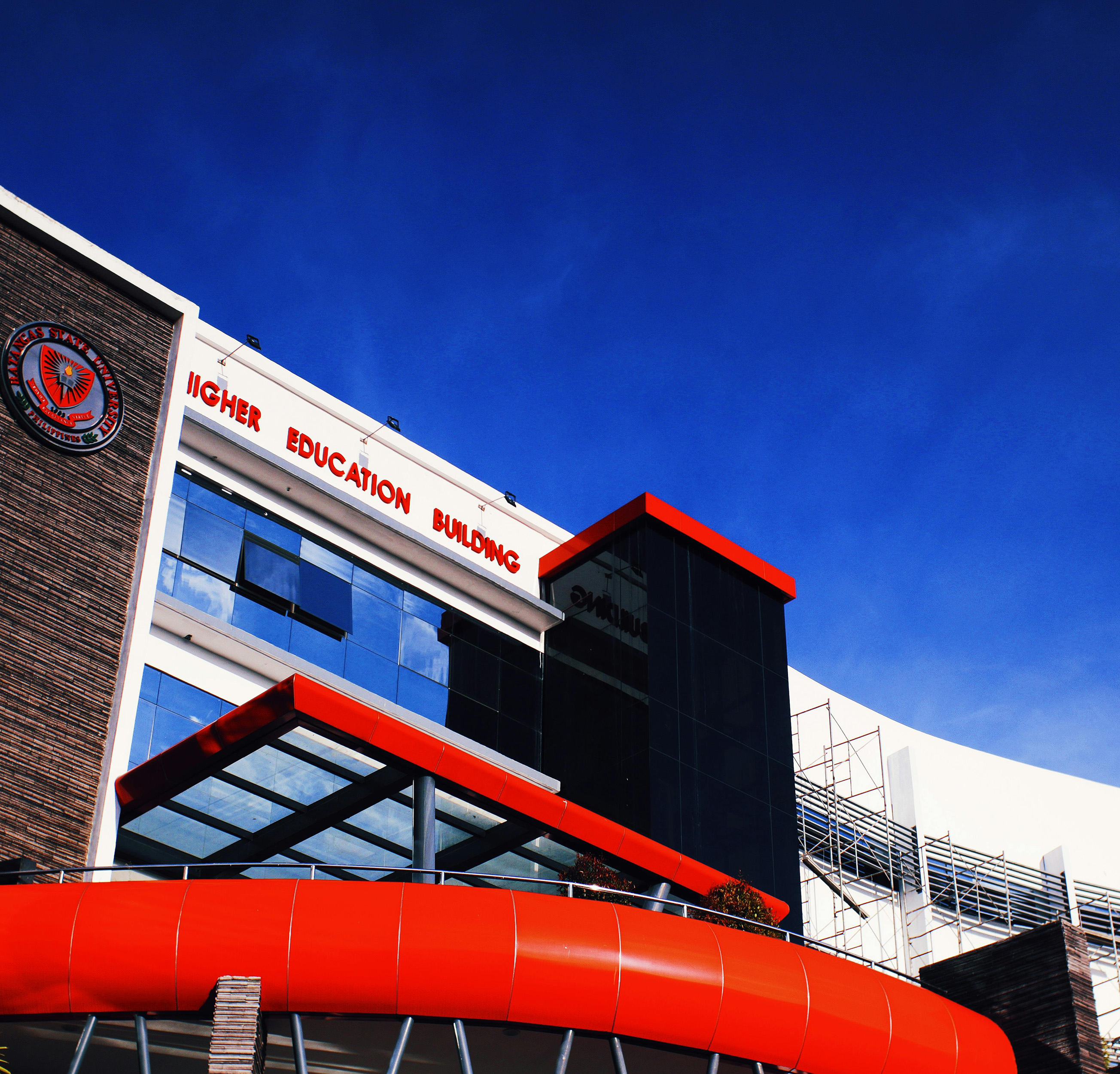
SCHOOLS & EDUCATIONAL INSTITUTIONS
• Partner schools are turning up to 80% of their trash into income-generating resources
• Transform plastic, paper, cardboard, and food into valuable new products
• Generate sustainable revenue from materials you’re currently throwing away
• Reduce cafeteria waste volume by up to 70%
• Turn food waste into compost for school gardens
• Lower dumpster usage and significantly cut waste management costs
• Create hands-on STEM and entrepreneurship learning opportunities
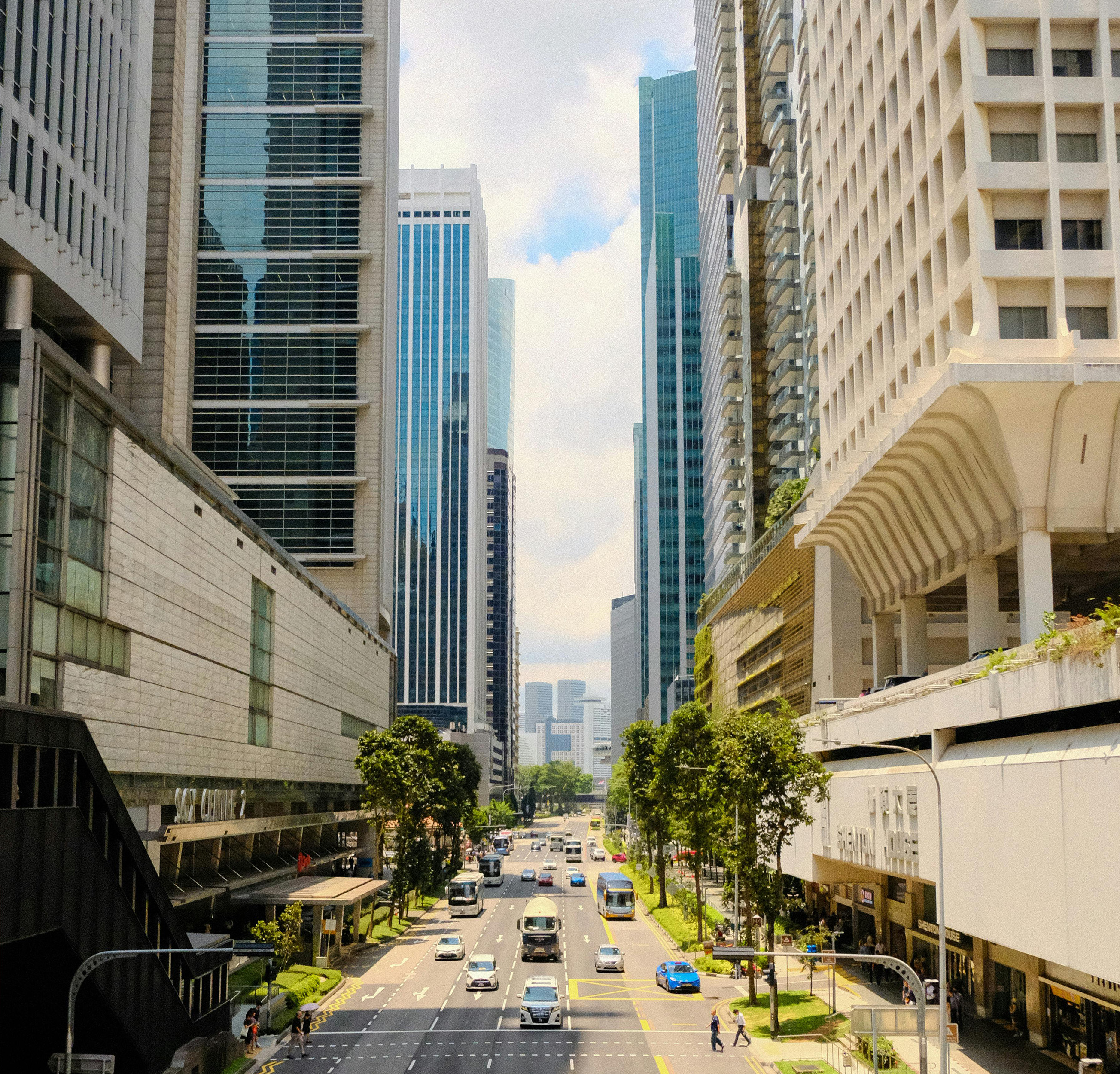
BUSINESSES
• Businesses are saving thousands annually while keeping waste out of landfills
• Cut waste hauling frequency—and the costs that come with it
• Meet sustainability and ESG targets without adding operational complexity
• Reduce your carbon footprint in a measurable, meaningful way
• Free up budget to reinvest into growth initiatives

SPORTS AND
ENTERTAINMENT ARENAS
• Reduce high-volume waste from cups, food, paper, and event debris across large venues
• Minimize dumpster space requirements and cut associated waste management costs
• Improve operations with compact, lighter waste bags that are easier for staff to handle
• Optimize cleanup between events - faster turnover, less strain on crews
• Keep venues cleaner, more organized, and guest-ready at all times

HOSPITALITY
AND SERVICE INDUSTRY
• Waste volume is projected to grow 5.9% annually through 2030
• Significantly reduce waste buildup across conferences, hotel rooms, restaurants, and service areas
• Streamline operations by minimizing overflow, clutter, and disposal inefficiencies
• Support a circular economy focused on sustainability and resource efficiency
• Position your brand as a leader in responsible, forward-thinking hospitality
SENIOR AND CARE FACILITIES
• Over 1.15 million residents rely on nursing facilities—making cost control more critical than ever
• Reduce waste volume from packaging, cups, plastic bottles, office materials, diapers, PPE, and more
• Lower waste management expenses without adding strain to staff or operations
• Create a cleaner, more efficient environment for residents and caregivers
• Reallocate savings toward care, staffing, and facility improvements
What's at Stake?
Without a solution:
• Your waste costs will continue rising
• You'll fall behind on sustainability commitments
• Competitors who act now will have a cost advantage
• Valuable materials will keep going to landfills
instead of creating value
With Mobi Waste:
• Immediate cost reduction (25-70% less hauling)
• Measurable environmental impact
• New revenue streams from repurposed materials
• Leadership in sustainability in your industry
Stop Paying for Waste. Start Profiting from it.
Or call us at 979-583-2196 to speak with our team.
The Plan: Three Simple Steps
1. We Assess Your Waste
We analyze your current waste stream
and identify savings opportunities specific to your operation.
2. We Deploy Our Mobile Solution
Our portable, waterless device comes to you.
No infrastructure changes, no disruption
to your operations.
3. You Start Saving Immediately
Watch your hauling costs drop by 25-70% while contributing to a sustainable future.
Stop Paying for Waste. Start Profiting from it.
Or call us at 979-583-2196 to speak with our team.
Got QUESTIONS?
Here are some of the Frequently Asked Questions (FAQs)
What do you do with the waste when the volume is reduced?
1. Combine Waste in a Dumpster
- Save Money: Fewer dumpster pickups mean lower costs.
- Be Green: Less waste on the roads reduces pollution.
2. Sort and Make Money
- Separate Waste: Sort into recyclables, compostables, and trash.
- Sell Recyclables: Earn money from materials like metal and plastic.
- Compost Organic Waste: Turn food scraps into compost to sell or use.
3. Join the Circular Economy
- Supply Companies: Send sorted waste to companies that turn it into new products.
- Support Sustainability: This reduces the need for new materials and cuts down on waste.
How do you plan on helping and educating generations to leave a cleaner earth for a greener ?
Create a Waste-Free School System that funds itself!
1. Education and Curriculum
- Integrate Sustainability: Include lessons on recycling, composting, and waste reduction in everyday subjects.
- Hands-On Learning: Set up school sustainability projects where students can learn by doing.
2. Waste Management Practices
- Zero Waste Goals: Promote a culture of zero waste by encouraging reusable items and reducing single-use plastics.
- Sorting Stations: Install waste sorting stations for recyclables, compostables, and trash, teaching students how to separate waste correctly.
3. Revenue Generation
- Sell Recyclables: Collect and sell recyclables like paper, plastic, and metal to generate income.
- Compost: Create compost from organic waste and sell it or use it in school gardens.
4. Community Involvement
- Workshops and Events: Host workshops and community events to teach families about waste reduction and recycling.
- Partnerships: Partner with local businesses and organizations to support school programs and share resources.
5. Use Technology
- Apps and Tools: Use apps and online tools to track waste reduction progress and educate students on sustainability.
- Interactive Learning: Use videos, games, and interactive modules to engage students in learning about the environment.
How do you differ from other companies?
We offer an onsite, real-time, waterless solution, setting us apart from competitors.
How large is your device?
Our unit is designed to accommodate a standard 55-gallon trash bag.
How is your device sustainable?
Our device is waterless, operates onsite, and is adaptable, reducing waste and minimizing environmental impact.
Are you scalable?
Yes, we offer four product lines to meet diverse needs: Stand-Alone, Trailer, Side-by-Side, and an upcoming Disaster Relief Rig.
How much waste does the device reduce per minute?
It reduces over 10 pounds of waste per minute, cutting the current volume by up to 70%.
Or call us at 979-583-2196 to speak with our team.

MOBI PARTNERS
Our partners are outstanding strategists who contribute to something beautiful,
greater and more valuable.
Contact Us!

Powered by: KMS Powered